
Line concept
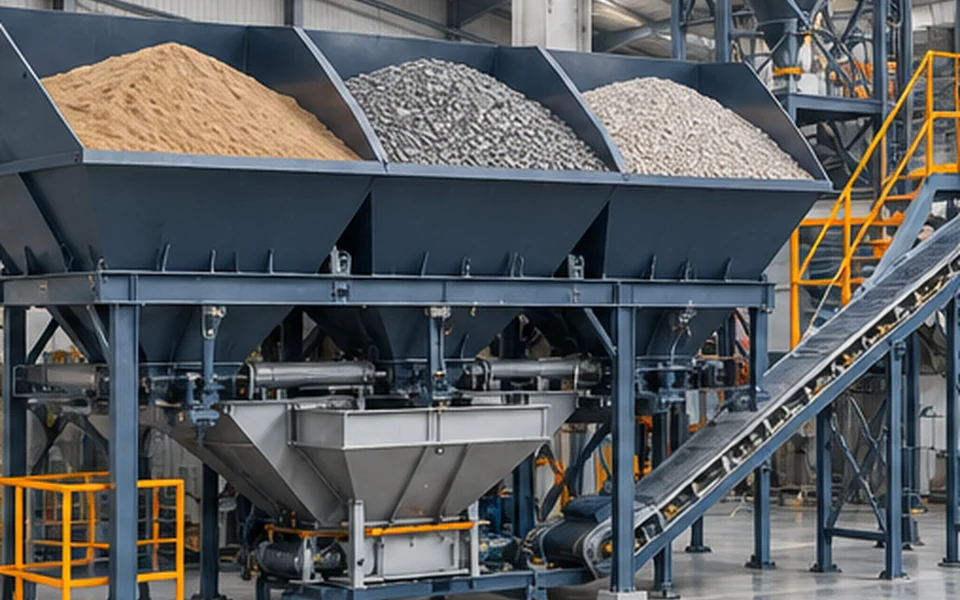
The batching and forming section influences product quality before blocks are moved to curing. Its design controls both the ingredients and the timing of concrete delivery.
Storage bunkers, weighing systems and mixer capacity must match the planned block press without excessive waiting or overproduction. Mix moisture and aggregate grading should be monitored consistently.
Process flow and capacity balance
The connection between mixer discharge and the press feedbox deserves careful attention because segregation and inconsistent delivery can affect mould filling.
Scope for project planning
An integrated design also considers cleaning access, weather exposure at aggregate storage, operator routes and suitable equipment interlocks.
Explore machinery options and engineering support topics before requesting a proposal.
Controlling incoming aggregate variation
The batching and forming stages should be engineered as one consistent production system. Changes in sand moisture or aggregate grading can alter workability at the press even when the nominal water setting is unchanged. Decide how material condition will be checked, how recipes are adjusted and who is responsible for rejecting a questionable batch.
Timing the mixer and press
Compare actual mixer working volume, discharge time and transfer arrangements against the concrete consumed per pallet cycle. A mismatch may lead to an empty press hopper or stale concrete waiting upstream. Evaluate realistic batch sequences with at least two product types and confirm the clean-out procedure between colour or recipe changes.
Commissioning documentation
Record the reference materials, batch weights, mix duration, feeder adjustments and observed product quality during the first trials. This creates a working baseline that can be revisited when aggregate sources or ambient conditions change. The line supplier and the plant operator should agree on which process variables are adjustable and which acceptance tests determine a successful production run.
Related machinery: Examine the Planetary Mixer for Block Plants as one possible equipment element, then request a project review with factory dimensions and target product drawings.
', `image_path`='assets/images/cbm-batching-mixing-system.webp', `image_alt`='Concept visual illustrating Integrated Batching and Block Forming LineIdentify the interface where material becomes product
The batching and forming section determines whether a repeated moulding cycle receives concrete with stable composition and workability. Start from the products and their mould drawings, then define the recipe families the plant must support. A hollow block and a dense paver can differ in aggregate blend, water demand and feed behaviour. Establish the number of fractions, cement supply, pigment needs and likely batch sizes. The press may call for material at intervals different from the mixer's production rhythm, so the two processes must be designed together. A line drawing should show every transfer and temporary holding point from aggregate bins to the machine feed box. These interfaces are often where material segregation, waiting time or control conflicts first appear.
Accurate dosing needs suitable equipment, stable mounting and practical access for calibration. Aggregate bunker location influences how consistently gates discharge and whether wet material bridges across an opening. Sand moisture can change the true water content even when the added-water setting remains unchanged, so establish a correction method suitable for the site's materials. Cement delivery and storage should be protected from contamination and unplanned moisture exposure. Ask how operators verify the recipe and what happens when an ingredient is unavailable or a scale reports an abnormal reading. A correctly designed control should prevent incomplete batches from being mixed and fed as though they met the recipe. Inspection and cleaning access around scales is essential for keeping their readings reliable through normal plant use.
Choose mixer cycle and discharge timing together
Mixer selection should consider working batch volume, material properties, discharge time and cleaning needs. A machine with a large nominal vessel may still create a bottleneck if the discharge route and feeder cannot accept its batch efficiently. Record how long mixing and transfer take under the intended low-slump recipe, and whether the press needs a buffer of prepared material. An oversized buffer can allow concrete to stand too long, while an undersized one can leave the press waiting. The sequence should coordinate discharge permission with the receiving hopper's actual status. Ask for acceptance trials using representative aggregates and a controlled moisture condition so the result is useful beyond a demonstration setting. Cleaning access should be evaluated before selecting a compact equipment layout.
The vibro-press combines feeder distribution, mould geometry, vibration, compression and controlled release from the tool. Its behaviour depends on the mix delivered upstream, so manufacturing quality cannot be assigned to one machine alone. Different products may require different filling and compaction recipes, particularly hollow units with narrow webs and pavers requiring sound edges. Document the selected settings and inspect units from multiple cavities during representative runs. If one corner consistently appears weak, investigate material distribution and mould condition before increasing vibration indiscriminately. Production consistency depends on repeatable material, controlled settings and measured acceptance checks. The equipment proposal should explain how recipe changes are authorized and how the line avoids accidentally feeding the wrong mix to a selected mould.
Prevent process loss during planned and unplanned stops
Batching equipment and a forming machine rarely stop at precisely the same instant. Design the control interfaces for a normal pause, downstream pallet blockage, mixer cleaning and a fault before discharge. The process should not send a fresh batch into a feed hopper that has no capacity or allow a press to run with a missing production pallet. Ask for signal lists defining ready, running, blocked and fault conditions, along with responsibilities where suppliers are different. Plan what happens to material already mixed when the forming side stops. This may affect the amount held between machines and the operational procedure for recovery. A tested restart sequence protects both product consistency and staff safety during common interruptions.
Collect process information that helps diagnose real problems: batch identity, ingredient amounts, aggregate moisture condition where monitored, mixing time, selected mould and basic forming parameters. Link this information to sample products taken during acceptance and ordinary operation. If product height or appearance changes, the team should be able to distinguish an upstream recipe issue from tool wear or a forming setting. Do not require a complicated data platform just to retain essential manufacturing records. A simple, disciplined log can identify recurring causes more reliably than a dashboard with many unused counters. Also maintain a clear plan for equipment calibration and product testing under the applicable market requirements. Quality control begins with traceable, repeatable decisions rather than claims that automation eliminates variation.
Evaluate energy, service access and installation logistics
The combined section needs a practical electrical layout, safe access to the mixer and press, dust management and sufficient room to remove worn components. Check building height for aggregate feed and mixer discharge, and ensure that any elevated conveyors can be maintained. The service team must be able to reach hydraulic and mechanical components without moving permanent structures. Establish utility requirements using the proposed equipment configuration and actual site supply. For imported equipment, clarify commissioning responsibility, initial tooling, backup software and the availability of critical replacement parts. Provide a layout with delivery routes and clearances so the equipment boundary can be costed fairly. Small omissions at the interface between batching and forming can cause disproportionate construction changes later.
A buyer's enquiry should include product drawings, expected quantities, available aggregates, shift schedule, site dimensions and the intended level of automation. Ask for the complete path from aggregate delivery to green-product exit, including storage, weighing, mixer, transfer, press and controls. Identify interfaces to curing, pallet circulation and equipment already owned. The acceptance test should show repeated material batches, stable forming quality, a representative product change and recovery from a controlled stop. Require a written list of exclusions and responsibilities. See the aggregate batching unit, planetary mixer and industrial automatic press for equipment-specific considerations. Together they form one process, not independent purchasing decisions.