
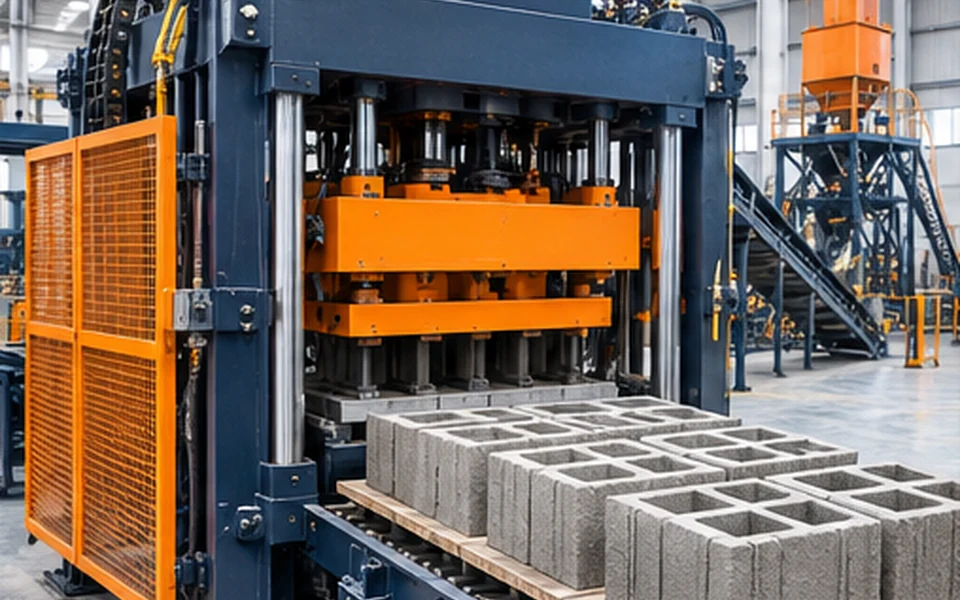
A concrete block project in Nigeria benefits from an equipment brief that is tied to a particular production location rather than a national headline capacity. Material availability, road access and the way the plant receives electricity can vary between sites, and those details belong in the purchase specification. The first decision is which masonry units customers will order regularly and how frequently the mould set will change. Design a machine package around that dependable base demand before reserving capacity for special products.
Validate the blocks, not the brochure output
Prepare drawings of hollow and solid units with actual wall sections, dimensions and intended application. A press demonstration using smaller or simpler products does not establish the output of the target block. Ask the vendor to calculate pieces per pallet and sustainable cycles with the selected mould; then allow for rejects, clean-down and material interruption. The resulting shift estimate can be checked against pallet availability and curing storage rather than accepted as an isolated press number.
Test aggregates and water at the proposed site
Do not assume that grading and moisture observed in a supplier's trial workshop match those at the Nigerian factory. Request representative samples from the intended aggregate sources and document how sand moisture will be measured when deliveries change. A low-slump mixture that feels suitable by hand may still fill narrow mould webs unevenly. Commissioning trials should verify product weight distribution, green strength and cured performance with the site's actual materials.
Make power and maintenance interfaces explicit
The electrical schedule should list the press, batching, mixer, conveyors, compressor and any automated handling equipment separately. Confirm the supply characteristics at the chosen property and the approved response to outages or unstable voltage. If a standby supply is contemplated, include controls and restart behaviour in the engineering review rather than sizing only for a motor nameplate. Also specify how filters, valves and sensors can be obtained and replaced without disassembling an entire production station.
Balance production with curing and dispatch
Map the route from fresh block formation to curing and then to the customer loading area. The required pallet population depends on the time products spend in each stage, not just press cycle time. Consider the actual forklift travel distance, rain protection and storage arrangement at the proposed factory. A plant that produces quickly but cannot circulate pallets or release finished product in order will create costly stops.
Compare quotations with the same factory boundaries
A useful proposal should state what is included for foundations, installation, training, moulds, pallets, utility connection and spare parts. Ask for evidence from a witnessed equipment trial or agreed acceptance procedure, with unresolved items recorded before shipment. Keep supplier assertions separate from product quality tests performed for the intended local application. The machine range, production-line concepts and project enquiry provide a starting framework for a Nigeria-specific technical review.