
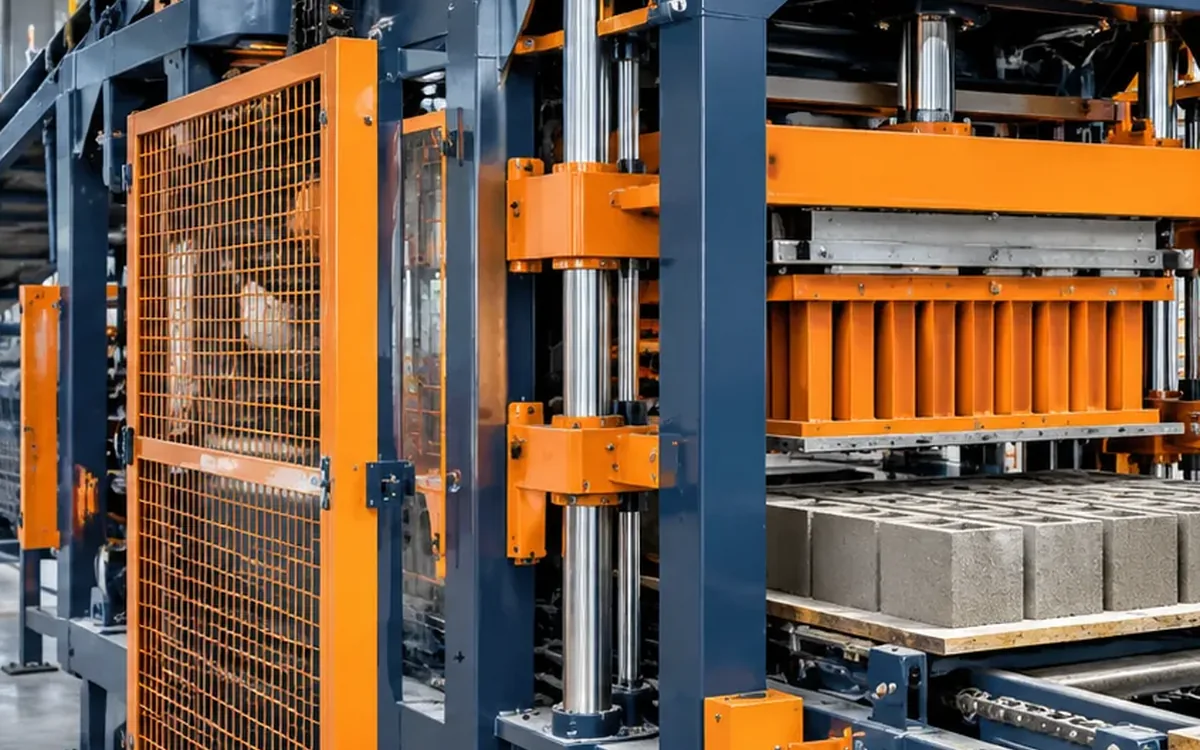
Equipment application
A plant-wide control concept aligns material preparation, forming and handling while providing operators with clear signals, alarms and recovery instructions.
Operator controls and integration
The control scope should identify each supplier interface and define what data, recipes and safety states pass between machines. Unnecessary complexity can make fault recovery slower.
Operating the connected production process
Review backup procedures, user permissions and maintenance access. The HMI should help diagnose physical bottlenecks without concealing essential safeguards.
Requesting a practical equipment specification
Describe existing equipment, required interfaces and operator languages when requesting control integration.
- Control equipment and interface list
- PLC and HMI feature requirements
- Recipe, alarm and diagnostic plan
- Safety and recovery procedures
To plan plc line control and operator hmi within a complete plant, see the machinery category and the connected production line options.
Machine states, interlocks and operator visibility
A reliable control system needs a clear sequence between batching, mixing, forming, transfer, curing and pallet returns. The operator should understand whether the line is waiting for concrete, a free pallet, a clear transfer path or a downstream position. Meaningful diagnostic messages are more useful than a single undifferentiated stop alarm.
Recipes, permissions and change tracking
If the same plant produces multiple products, record the settings that materially influence repeatability, including product selection, timing ranges and relevant operator adjustments. Define who can change recipes and how settings are restored after maintenance. Backups and a documented procedure for replacing the HMI or PLC controller are essential for long-term serviceability.
Commissioning interfaces and documentation
Integration depends on agreed I/O signals, sensor types, safety circuits and the behaviour expected when connected equipment becomes unavailable. Ask for annotated electrical drawings, an I/O list and a functional description that names the responsibilities of each machine supplier. The acceptance test should deliberately simulate faults and recovery, not simply demonstrate a normal automatic cycle.
Documenting the machine states before programming
A complete block plant may include batching, mixing, pressing, pallet elevators, curing transport and cubing. Each machine needs a clear set of conditions that permit the next movement to begin. Write the normal state sequence for each interface, including ready, running, blocked, waiting and fault conditions. Define who owns each interlock signal when equipment comes from different suppliers. The control architecture should prevent one conveyor from feeding material into a station that cannot receive it. A clear state model also makes commissioning and later troubleshooting easier. Avoid treating a screen with attractive graphics as evidence that the underlying mechanical interfaces have been engineered correctly.
Recipes and change control for a mixed product range
Different concrete units may require separate batch recipes, feeder timing, press movement and handling sequences. The HMI should let authorized operators select the correct product while limiting changes to sensitive parameters. Maintain a record of recipe revisions and responsibility for alterations so product quality can be traced after a shift. Screen labels need to be understandable to the intended operating team, including units and limits. A new mould programme should be tested before general release rather than copied from another product without verification. Effective recipe management connects quality control, staff training and changeover performance, not only electronic storage of numerical settings.
Meaningful alarms and safe fault recovery
Operators need to know what stopped the line, which machine first reported a problem and which conditions must be restored before restarting. An alarm that simply says system fault is rarely enough in a complex plant. Group messages by equipment and offer practical diagnostic guidance without allowing unsafe overrides. Investigate how a partially filled mould, a missing pallet or an occupied curing rack is handled. Recovery should bring the process to a known safe condition and confirm physical position before actuators move again. The design must distinguish maintenance isolation from routine operator resets and should respect the machinery's applicable safety requirements.
Interfaces with third-party equipment
An integrated production line may combine control panels from several equipment suppliers. Before commissioning, agree on a signal list, status definitions, connection method and responsibility for testing each interface. Electrical drawings alone may not show how a delayed conveyor or sensor fault should affect upstream equipment. Include timeouts and clear communication-failure behaviour in the specification. Future equipment additions should be discussed in terms of available inputs, network capacity, cabinet space and programming access rather than promising unlimited expansion. Maintaining a documented interface map prevents later service teams from having to reverse-engineer what each signal means during a costly production stop.
Data recording that helps the production team
A useful control system can report batch identity, product recipe, cycle counts, equipment stops and selected quality-related process parameters. Decide which records matter to the factory and how long they should be retained. Data should support operational decisions, such as identifying the most frequent stop causes or linking a rejected pallet to its production conditions. Avoid generating hundreds of counters that nobody uses. HMI screens should prioritize active machine status and immediate operator actions, while more detailed historical reports can remain in a separate view. If remote access is planned, define authentication and authorization rather than leaving a permanently open service connection.
Testing, documentation and life after commissioning
Request the electrical drawings, I/O list, network map, programme backup arrangements and a documented method for restoring the system after component replacement. Factory testing should simulate normal running, downstream blockage, communication loss and a controlled emergency stop where the machinery design requires it. On site, confirm actual sensor states and machine directions before enabling unattended sequences. Training should cover recipe selection, alarm interpretation, scheduled backups and the boundary between operator actions and specialist maintenance. Ask who owns access rights and software revisions during the equipment lifetime. Agree on a supervised recovery drill in which a blocked transfer, a lost position signal and a power interruption are handled in a documented sequence. Check that an operator cannot accidentally restart an unsafe movement after a reset. This reduces dependence on undocumented settings and helps the plant maintain a reliable control environment.
System integration: Control design for a mixed-product factory should define how operators change recipes and recover safely after a stopped pallet or an incomplete forming sequence. Before specifying screens or communication protocols, identify which machine signals and transfer stages must be coordinated. The integrated plant overview provides process context for press, conveyor and curing signals. A useful automation enquiry includes the current machine list, interface drawings if available, alarm expectations and the ownership of safety-system validation.